Thursday, December 31, 2015

Protein, Longevity Feasts, and Water

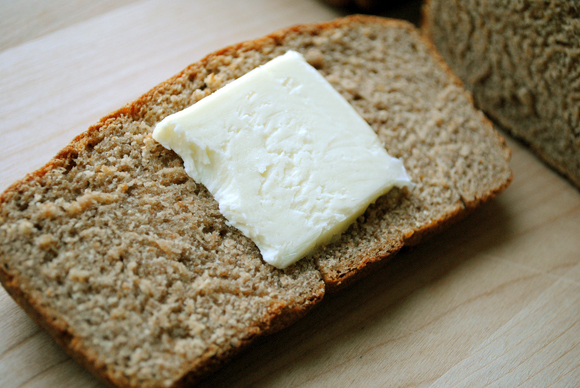
I am a born carb eater. I am not kidding when I say that I get weak-kneed at the sight of potatoes. Any potato will do, even reconstituted. And don't mention bread. I'm not strong enough.
http://blog.sanuraweathers.com/wp-content/uploads/2011/04/WheatBread_0084.jpg
Scrape me off the floor.
But for the scale-conscious, carbs are austerely limited. Sigh. Fruit instead of cereal for breakfast; vegetable soup rather than pasta for lunch; broccoli instead of rice for dinner. 

Protein, they say! Protein will save us all! The thing is, while I have cut back on carbs, I haven't really replaced them with protein. There's only carbs for me; protein doesn't fill the void. I eat fish a couple times a week. A Greek yogurt here and there. But I've been primarily subsisting on produce, healthy fats (nuts, oils, avocados), and legumes with a dusting of carbs (oat bran, Korean/Oriental/Japanese/Asian sweet potato, Shabbos whole-wheat matzah/challah) here and there, and I gotta say, I feel quite good.

Dean Ornish will bum out the protein lovers with "The Myth of High-Protein Diets," along with Time magazine's Markham Heid's piece.  
 http://i.ytimg.com/vi/fylM69xKWGg/0.jpg
Animal protein is not very friendly on the body. It prematurely ages it. Those in the Blue Zones rely on legumes for protein, and live, like, forever. 

Jeff Gordinier went food shopping with Dan Buettner (of "Blue Zones" fame) for a "longevity feast." 
http://static01.nyt.com/images/2015/08/02/fashion/DAN-BUETTNER-slide-2YWF/DAN-BUETTNER-slide-2YWF-jumbo.jpg
Dan Buettner
Current research shows that those who dutifully pop kale into the shopping cart park a pint of ice cream right next to it; Buettner advocates basic healthy yummies, and no processed so-called "health food," like juices or shakes. 
. . . Seventh-day Adventists have a tendency to outlive their fellow Americans, thanks to a mostly vegetarian diet that is heavy on nuts, beans, oatmeal, 100 percent whole-grain bread and avocados.
Sounds good to me, although the bread has to be "real sourdough bread." Oh, and go for long walks. Blue Zonies are always walking. 

Lastly, "The Persistent Health Myth of 8 Glasses a Day." As Aaron Carroll reports, water is in a lot of the things we consume, and coffee doesn't suck the liquid out of you, either. 

According to the Rambam, one should only drink when thirsty. The awesome bodies we've been given will tell us when we are.  

Wednesday, December 30, 2015

In the Moment

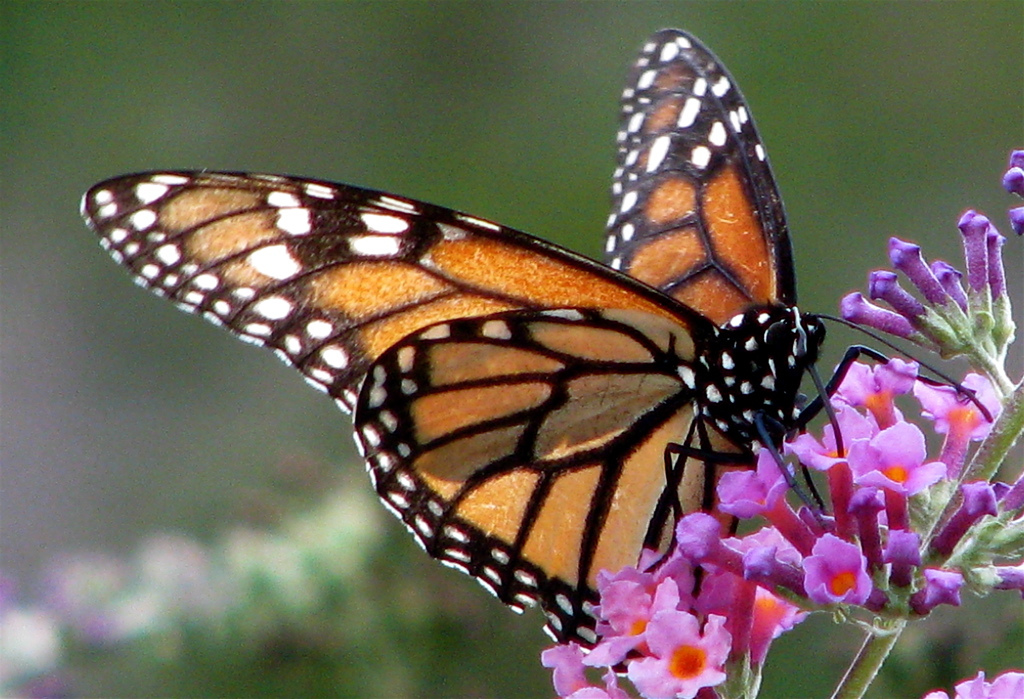
While I was walking home, in a near-perfect Hallmark moment, a monarch butterfly fluttered past. It perched upon a flower, lazily and poetically opening and closing its wings. I almost continued on my way, but paused. 

Cherish the moment

I knelt down, face inches away, to watch the butterfly eagerly jab its proboscis into a pink bloom, absorbing the white-spotted abdomen, the stunning delicacy of the winged patterns.
http://booknvolume.files.wordpress.com/2013/10/monarch-eating-audreyjm529.jpg
Via booknvolume.com
It then took loopy flight. I walked on

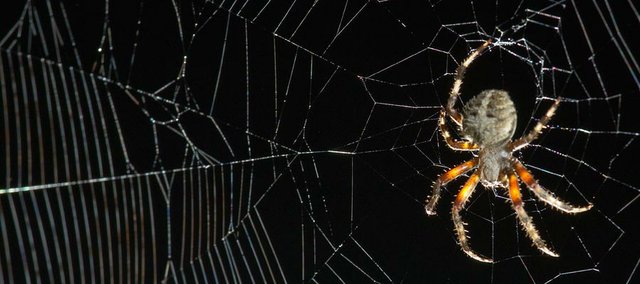
The next morning I yawningly padded outdoors to the garbage. On the bushes next to the can, awash in dawn light, sparkled the ethereal tendrils of a fresh spider web. 

I bent over to observe a tiny arachnid patiently march in circles, laying down the gauzy outline of its net. I didn't realize that my breath caught, watching the creature given praise for saving Dovid HaMelech.
http://worldonline.media.clients.ellingtoncms.com/img/croppedphotos/2011/10/14/behind_the_lens_spider_01Lead_t640.jpg?a6ea3ebd4438a44b86d2e9c39ecf7613005fe067
Via Kevin Anderson
The following night I heard the distant boom-boom of fireworks. I raised the shades to see spewing sparks across the sky, brilliant and vivid. Eventually I was tired of standing, but told myself that it won't be here for another year. Savor it now
https://blogger.googleusercontent.com/img/b/R29vZ2xl/AVvXsEi0xmcsRl43qVZQwSqU-qrP43WqjUzAXBwZXicR95dFs7vKNNiVj_QA2Lt8dWI7hTXwN0kO8G3mzy56hHqsCFFqZj2B1WHamom05P2PsOGk9PWH_mhjLrt4RH7JrJwjFhJXEETlJCbk-6ov/s1600/fireworks1600.jpg
Via springfieldvt.blogspot.com
I watched until the end, soaking in the loud hues, awash in my own childish glee.

Months later, on a frozen morn, I awoke to find the grim winter-ravaged surroundings being gently dusted with fluffy white confetti. I eagerly tied on my boots and with a wide, goofy grin, merrily tramped out as the leafless trees were adorned yet again. I savored the descent of each snowflake, remembering that each vary with artistic precision. 
http://i2.cdn.turner.com/cnn/dam/assets/140121130120-03-northwest-winter-storm-horizontal-gallery.jpg
Via cnn.com
Don't read, I admonished myself when ensconced aboard. Look out the window. Who knows when there will be snow again? I gazed upon the whizzing white, a glowing in my chest.

Tuesday, December 29, 2015

"Present"

Julia Baird, "Was It Cancer? Getting the Diagnosis": 

. . . When I came out of the hospital, everyone suddenly seemed consumed with irrelevant, foolish, temporal worries. Reading the fine print of your mortality is a great sifter of rubbish. I frowned at the complaints posted on social media when I was recovering — people who had the flu, were annoyed by politicians, burdened by work, or who were juggling jobs and children — and wanted to scream: BUT YOU ARE ALIVE!!!! Alive! Each day is a glory, especially if upright and able to move with ease, without pain.

I am still grappling with what all of this means. But in this short time, three age-old truths became even more apparent to me.

First, stillness and faith can give you extraordinary strength. Commotion drains.

The “brave” warrior talk that so often surrounds cancer rang false to me. I didn’t want war, tumult or battle. Instead, I just prayed to God. And I think what I found is much like what Greek philosophers called ataraxia, a suspended kind of calm in which you can find a surprising strength.

Second, you may find yourself trying to comfort panicked people around you. But those who rally and come to mop your brow when you look like a ghost, try to make you laugh, distract you with silly stories, cook for you — or even fly for 20 hours just to hug you — are companions of the highest order. Your family is everything.

Third, we should not have to retreat to the woods like Henry David Thoreau to “live deliberately.” It would be impossible and frankly exhausting to live each day as if it were your last. But there’s something about writing a will that has small children as beneficiaries that makes the world stop.

My doctor asked me a few days ago how I became so calm before the surgery. I told her: I prayed, I locked out negativity and drama and drew my family and tribe — all big-hearted, pragmatic people — near. I tried to live deliberately.

“Can I just say,” she said, “you should do that for the rest of your life.”

I am all for learning lessons while in a place of health and happiness, rather than being hit over the head with them in less pleasant times. 

Living deliberately, living in the moment, being mindful—these are "trending" concepts. Being present in our relationships, leaning in to wonderful, fleeting moments and memories—and teaching the next generation, by example, what it means to "be there."

Monday, December 28, 2015

Hail the Bran!

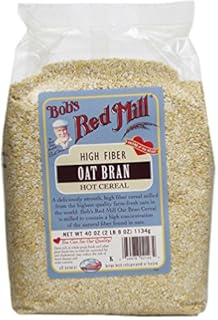
Through Amazon's Subscribe and Save, along with intermittent filler from Vitacost, 40 oz. bags of oat bran are regularly deposited on the doorstep. Emblazoned across the box: "Life insurance you can eat."
http://ecx.images-amazon.com/images/I/5136mTdaL5L._AC_UL320_SR218,320_.jpg
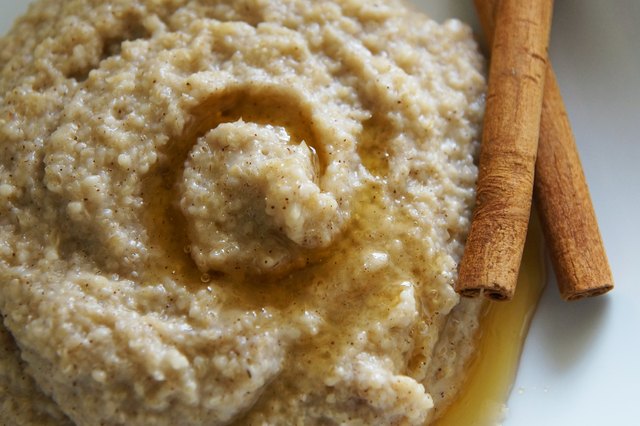
I like to cook mine with extra water for longer, thickening the liquid. The serving of 1/4 cup morphs into a brimming bowl of heartiness, made heavenly by a spoonful of raw honey. 
http://img.aws.livestrongcdn.com/ls-article-image-640/cme/photography.prod.demandstudios.com/910b6388-9fab-4c09-ad30-67f9857b9f09.jpg
Via livestrong
For those with celiac disease, it is particularly miraculous. Many gluten-free options out there are nothing more than simple sugars; oats are the one halachic grain without gluten, yet it is, nutritionally, a star. 

But it has a multitude of uses beyond an anytime meal. Along with my trusty spice grinder, I can make it finer if I so desire and slip it into meals in countless ways. 

I've used it in kugels instead of flour. I've used it as a binder wherever stale bread is called for, like in meatballs and fish patties. I've ground it and used it for roux in soup; I've also shaken it in during the cooking process to thicken. I've used it instead of flour in the beloved cheese latkes, and they were all gobbled up by the "picky" ones. The original recipe for túrógombóc called for Hungarian "grits"; I used oat bran instead. 

Pretty much anywhere matzoh meal is called for as a binder, oat bran can replace it. 

Although, it can't be used everywhere; gluten is the protein that makes flour rise. But if not relying on any sort of height, send in the bran.     

Friday, December 25, 2015

Who's Life are We Living?

"Help, My Parents are Millenials" by Katy Steinmetz in TIME: 

In scores of interviews for this article, just the mention of social media elicited groans and sighs from young parents who are barraged by handmade birthday invitations and color-coded clothes-pin chore charts on Pinterest. They debate whether Facebook or Instagram is "the hardest," whether it's the images of the home-cooked organic feast or the just-cleaned house. It helps only a little to know that people are being highly selective about what they share. "Someone will put out there, 'Oh, I just braided my child's hair.' But you just yelled at them like 50 times to sit down," says 30-year-old B. Marcell Williams, a mother of four living in St. Louis. 


Thursday, December 24, 2015

You Know Nothing

. . . Jon Snow. When's the next book coming out, already? 
 http://img15.deviantart.net/504a/i/2013/304/3/2/you_know_nothing_jon_snow_by_carlinx-d6sk7sm.jpg
Anywho: 

We think we know. We are so sure we know so much. And we do know a lot. We laugh how previous centuries couldn't understand something as basic as hand washing to prevent death. We roll our eyes that anyone could have thought the sun revolved around the earth. Yeesh, those people didn't have smartphones. Why did they bother living? 

Yes, comparatively, we rock. But there is still so, so, so very much that we are ignorant of. There are many things that "science" doesn't really know fo sho. I'm not quoting myself here; I'm relying on Jaime Holmes' "The Case for Teaching Ignorance."
People tend to think of not knowing as something to be wiped out or overcome, as if ignorance were simply the absence of knowledge. But answers don’t merely resolve questions; they provoke new ones.
As Aristotle put it: "The more you know, the more you don't know."  

Yet this doesn't apply only in the secular science field. We Jews, as we like to say, are encouraged to question (although it may often depend on which school you end up in). Although, I am noticing that many of my coreligionists are nodding a lot in that "yes, of course" sort of way. They want to know reasons. They even have the reasons. 

When one is so sure of the answer, then one stops bothering to question, then one no longer learns. 
Our students will be more curious — and more intelligently so — if, in addition to facts, they were equipped with theories of ignorance as well as theories of knowledge.
Anne Lammot said, "The opposite of faith is not doubt, but certainty." Being religious doesn't mean being all-knowing. It actually means saying, "I don't know. Maybe there's an answer. Maybe there isn't. Let's find out which."     

Wednesday, December 23, 2015

Appreciation

3PO and R2, two nephews close enough in age to get on each other's nerves, were going at it on a Friday afternoon. The go-to move is "divide and conquer"; I plucked away R2 from temptation, but needed to provide entertainment. 

R2 is familiarly adorable; he takes after Luke in looks and personality, but with some quirks thrown in. Like how he loves to clean (he was delighted with the toy broom and shovel I bought him) and he loves to cream. 

Yup, he got Babi's cream gene. This kid never gives me a hard time about shmearing coconut oil on his chapped cheeks and mouth. 

"C'mon, baby, you can watch me put on my Shabbos Face." I plunked him on a stool in my bathroom and he watched, fascinated, as I brushed and buffed. 

"Layla," he lisped, "what you doing?" 

"I'm painting my Face," I answered simply. 

"But why you paint your face?" 

"To look pretty. Do I look pretty?" 

He smiled sheepishly. "Yesh," he giggled. 

He's Hungarian, all right. 

Tuesday, December 22, 2015

Hear Your Elders

Not only am I the youngest in my family, I'm amongst the youngest of my cousins as well. To me, everyone was always older. 
http://www.bazanphotos.com/photographyBooks/theFirstTwentyYears/passingThroughAndothers/images/bazan94.jpg
Via bazanphotos
I don't know if it is just my nature, or because I was always around those who were older, but I like older people. We seem to have more similar interests than I do with my contemporaries. 

Silas House notes "The Growing Generational Divide," and the cost to the next generation:
This is the main thing we lose when we don’t talk to our elders: the histories. How many teenagers, for example, know the intimate details of the Kardashians’ lives but don’t know the love stories of their own parents? The joys and sorrows of the older generations serve as examples for us to learn from, to emulate or, perhaps even more useful, to avoid. As age segregation becomes more ingrained in our culture, what cycles will be repeated, what misconceptions will flourish? 
Quite a lot. I try to tell over the family tales to the best of my ability, but with every re-teller they get contaminated. I just took my niece's head off because she completely butchered/fabricated her report on Ma's coming to America ("They never referred to it as the 'Goldeneh Medinah!'")

The younger generation may roll their eyes at how the relatively elderly struggle with technology, but as Ma heard a personality proclaiming on a talk show, there is more to knowledge that smartphone savvy. Yes, she may not know the iPhone—but that means she has nothing to teach? There is plenty the young people don't know that she does.  

Monday, December 21, 2015

Stronger

My nephew was born with food allergies (which he has b"H since outgrown) but for the first couple of years he couldn't eat . . . well, anything with taste. A lot of rice and sometimes applesauce. 

He would sit on laps, hungrily watching all of us stuff our faces, and if he felt any sort of slackness in the grip of his keeper, he would lunge at a plate. The floor had to be carefully monitored for scraps. His throat would work yearningly in the presence of the sights and smells of the tantalizing untouchable.

Perhaps because he was the youngest of a rather large brood, my sister-in-law took a more pragmatic tactic: That he would just have to get used to it. Tough, but he can't eat what everyone else is. 

Before he was three, he was able to chow down with the rest of us, but for those two years of restriction a toddler of steel emerged. He's tough. He won't be pushed around. After all, what can anyone do to him? Eat while he has to watch? Been there. He's got true grit. 

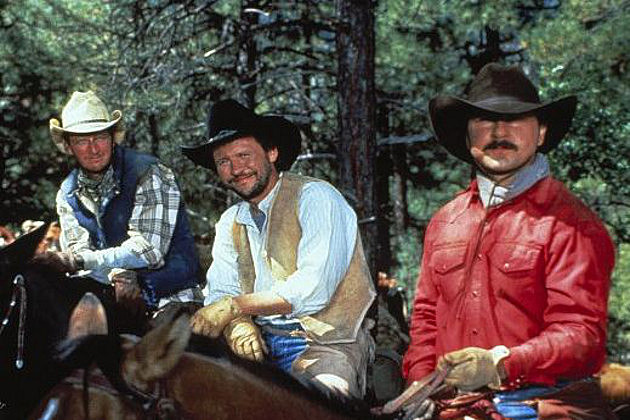
Pretty much any movie that has Billy Crystal in it I can watch on a loop. One lazy Sunday afternoon I reacquainted myself with City Slickers, about three male friends with mid-life crises who head out to a dude ranch to herd cattle. 
http://screencrush.com/442/files/2013/05/City-Slickers.jpg
Every once in a while one would say to the other, "What, you think playing at being a cowboy will fix all your problems?" But funnily enough, it somehow does. 

After a number of snafus, the three are left alone with the herd. It is not a matter of life or death to bring the cattle in; but by tackling their mission, and emerging triumphant, they feel like absolute kings. 

Why did they head home with their backs straight and their problems worked out? They took on a challenge. They pushed themselves. They succeeded. They know now what they are capable of—making the choice to live life better, not merely accepting the situation given.

Again, read Eric Greiten's Resilience. 

My little nephew, the runt—you don't cross him. As Friedrich Nietzsche said, "That which does not kill us makes us stronger."  

Friday, December 18, 2015

Reunion

Rabbi Tzvi Hersh Weinrib:

I picked him up at the airport. He was arriving in Baltimore, where I was then a rabbi, to deliver an address and then return home to New York. 

The plane was late, so that when he came, I told him that we would have to hurry to be at our destination on time. He was already showing signs of age, so that walking quickly was hard for him. We moved rapidly past the gates, at which other flights were disembarking, including one at which the arriving passengers were being welcomed warmly by friends and family. 

That is where he stopped, transfixed. He could not take his eyes off the scene of the small crowds embracing and kissing each other tearfully and emotionally. 

Reluctantly, he responded to my rude insistence that we move on, and together we rushed to his appointment. 

He was Rav Avrohom Pam, of blessed memory, the late lamented sage, Yeshiva dean, mentor to hundreds of rabbis and scholars, and above all, gentle soul. When we finally were in the car and on our way, I asked him what it was about the airport scene that so fascinated him. 

His response was the greatest lesson of the many I learned from him. "The saddest of all human happenings is separation," he said. "And the most wonderful of all is reunion. Whenever I see people, of whatever background, who are joyfully coming together after a long separation, I feel spellbound, and I must stand by and witness that pure innocent joy as long as I can."